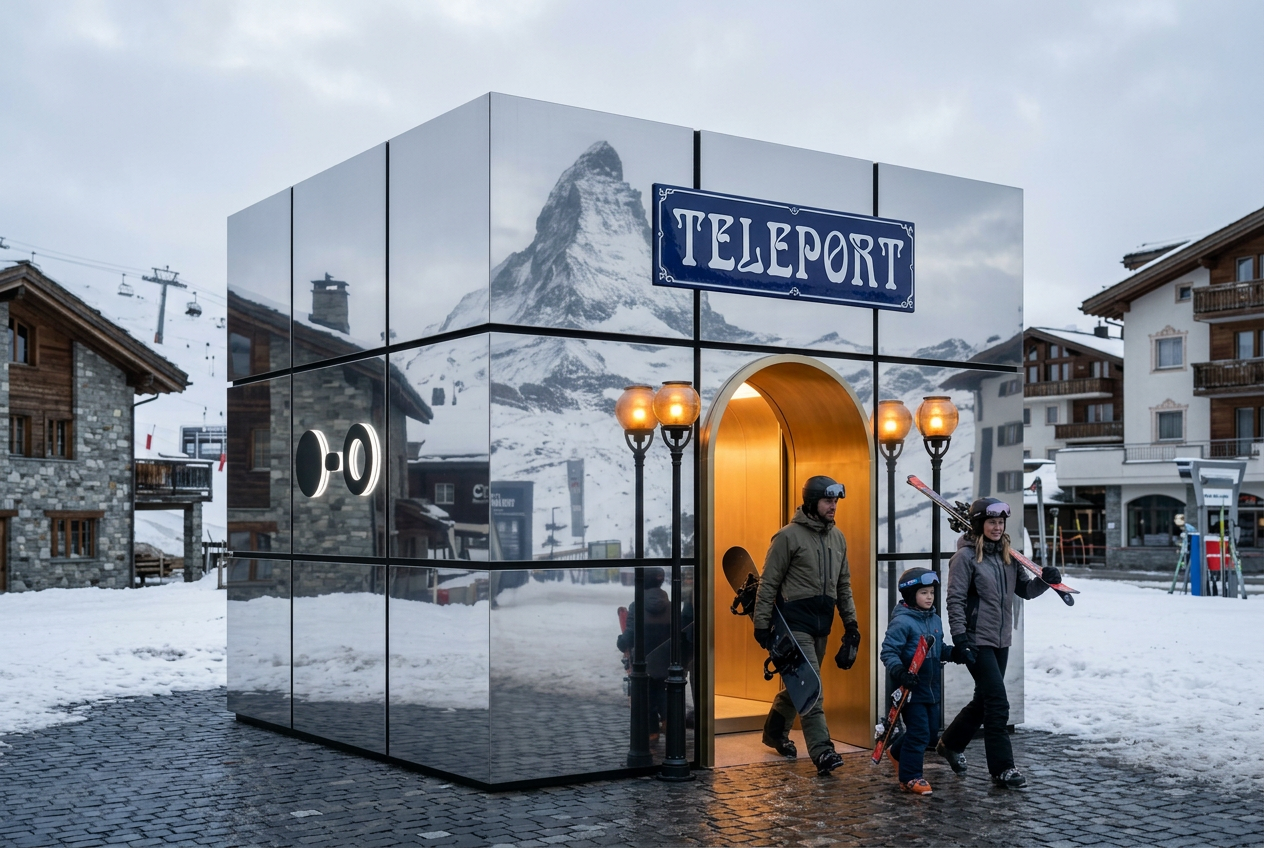
Meet beamag.ch, the swiss teleporter operator.
It's going to be a tough conversation next week: A panel with grid operators and the regulator.
Utilities are one of the key enablers for the energy transformation - who else has the network, who else has the experience, nobody else has the data - and that is exactly the point.
We need both central solutions like hydropower and decentral solutions like battery storage and solar production at different scale to be able to create a resilient electricity supply as we will not comsume less elctricity in the future:
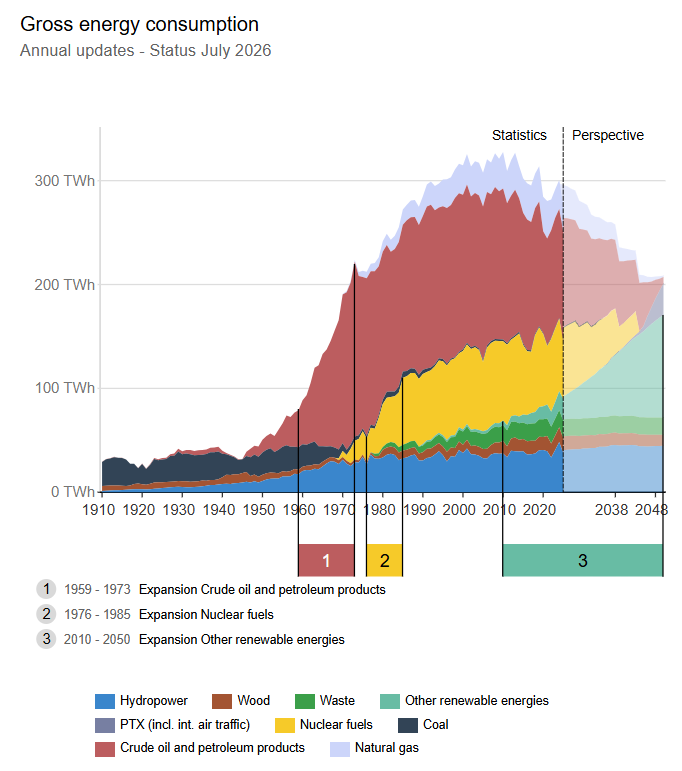
I don't think that the current actors in the market can drive that change fast enough and at scale. We will need startups and investors to create both new business models and add solutions to the market.
Specifically in Switzerland, a fragmented landscape in the utilities industry impedes innovation. Not because it is fragmented, but because there is not enough regulation: If you want to create a solution or service covering a whole country, you don't want to ingest a couple of hundred interfaces (in the worst case) and data formats à gogo.
The master example for this is the mandatory interface to make data available to consumers: The provision says that there has to be an interface and the format of the data shall be "common". That leaves a lot room for interpretation and leads to a situation in which you basically can do whatever you want as an operator as long as there is "an" interface and "a common" format. From .txt to .xls the field is open.
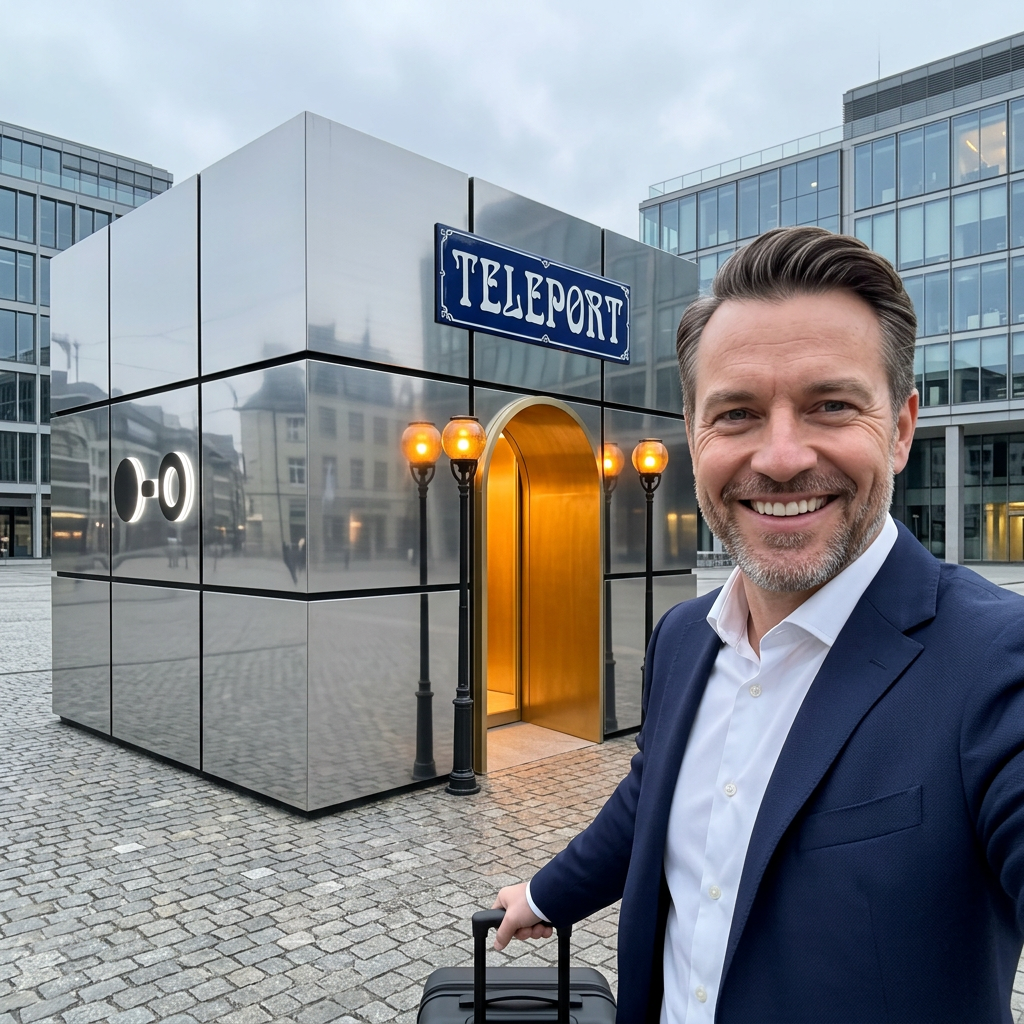
beamag, the swiss teleporter operator
To illustrate the example I put myself into the shoes of the fictious CEO of beamag - "we invented teleportation". The name of the company is typical swiss: Beam + AG, and teleportation would indeed make life in Switzerland better. You know if you ever had to go through the Gubrist tunnel.
As the CEO of beamag, I have access to plenty of data: opendata.swiss and opentransportdata.swiss allow me to validate my assumptions and plan my roll-out. The geoportal would even give me information about the landscape if geography played a role. I can find out who owns which property if I found the places where I would like to build my teleporter stations.
But the one thing I could not verify is, if there's actually enough power available where I want to build. And beyond that, to get full coverage, I would have to engage with 306 local grid operators, possibly using 306 different interfaces and formats to give me access to my consumption data later on.
Now, in a business like teleportation, handling this large number of interfaces and suppliers might be fractional cost, but for a startup, it can be a deal breaker.
And as opposed to teleportation, startups in the energy sector are real and a fragmented (data) landscape is a real headache.